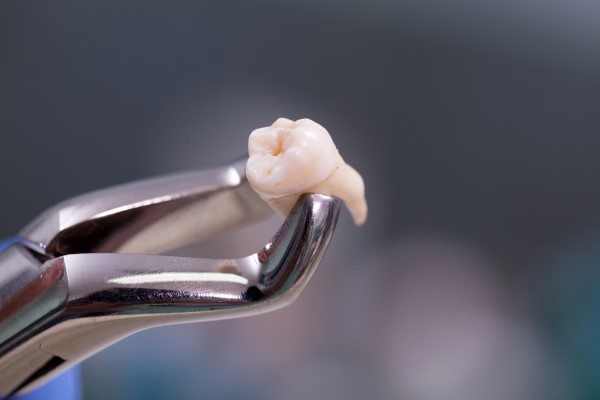
General Dentistry Quick Guide for Tooth Extraction Aftercare
General dentistry refers to all routine procedures and care that is done to help individuals maintain good oral health. One procedure that unfortunately happens to be routine is tooth extraction. Extractions are needed when a general dentist determines that a tooth is too unhealthy to remain in the mouth. Of course, some require extraction due to spacing issues too. Keep reading to find out more about aftercare once the extraction has been performed.
What to do after a tooth extraction
Outlined below are a few tips from a general dentistry practice on what to do after tooth extraction. This guide can be used as a resource for individuals who are preparing for extraction as it can be helpful to know what to expect afterward.
1. Avoid certain foods and beverages
Immediately after tooth extraction, it is important to avoid certain foods and beverages. General dentistry already recommends avoiding heavily acidic or sugar-based items because they can cause cavities. However, this is especially important after extraction as the mouth is more susceptible to infection.
Additionally, to avoid discomfort or irritation to the healing site, general dentists recommend consuming foods that are extremely soft, such as mashed potatoes, soup, smoothies, or apple sauce.
2. Gently rinse with saltwater
Saltwater is a safe and alcohol-free way to rinse the oral cavity without hurting the site where the tooth was extracted. The salt kills any bacteria that can build up during the healing process. General dentists recommend gently rinsing three to four times a day after tooth extraction for 30 seconds. It is advised to avoid mouthwashes immediately after tooth extraction as they contain alcohol, which can irritate the area.
3. Take an over-the-counter medication
Over-the-counter medications are great to take after tooth extraction. General dentists recommend these as they can help reduce discomfort, inflammation, and swelling. It is key to take them in moderation and to follow the direction of the dentist, which will likely include taking them with a heavy liquid or soft food.
4. Keep an eye on the wound
Another important thing to consider is the actual wound that is left from the tooth extraction. Although the reason for an extraction is to get rid of a bad tooth, the actual procedure can be grueling on the gums and surrounding areas of the mouth. It is necessary to just keep an eye on the wound to ensure that there is no excess bleeding or swelling, which could mean a different problem. Any signs that seem abnormal should be noted and addressed by a general dentist.
Talk to a general dentist
After undergoing a tooth extraction, it can always be helpful to consult with a general dentist. Any questions or concerns about what is involved during and after an extraction can be appropriately addressed. Additionally, if an evaluation or follow-up is required, general dentistry practices are the best resources to utilize. To find out more about extractions or how a general dentist can help, reach out today.
Request an appointment here: https://www.beautifuldental.com or call Los Robles General & Cosmetic Dental Center at (805) 409-0999 for an appointment in our Thousand Oaks office.
Check out what others are saying about our dental services on Yelp: General Dentistry in Thousand Oaks, CA.
Related Posts
A general dentist knows that a healthy smile starts with good habits at home. Many people ask about the best way to floss to keep their teeth. While the task seems simple, using the proper technique ensures the mouth stays free of disease. Most individuals understand that a brush alone cannot reach every surface.Plaque forms…
Regular visits to a general dentist are essential for maintaining good oral and overall health. However, many people skip their routine appointments due to scheduling issues or fear of dentists. While these visits may seem inconvenient or unnecessary, they can prevent serious oral health issues down the road. If you are experiencing the following three…
Visiting your general dentist for a specific treatment can improve your oral health. The services that you need will depend on your assessment. Knowing the common services available will enable you to make informed decisions about the ones you will get. Here are the common services on offer at your general dentist’s clinic.A general dentist…
Tooth decay, or a cavity, is one of the most common oral health problems general dentists treat. In many cases, these dental providers can help prevent cavities before they form. Whether you think you may have a cavity or want to prevent getting one, a general dentist can help.A major part of a general dentist’s…