What Procedures Can be Performed by Laser Dentistry?
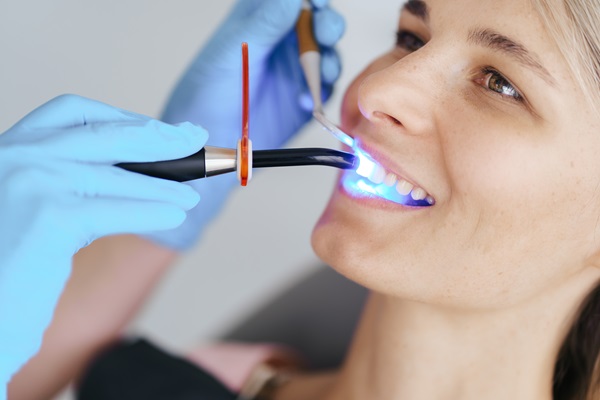
Laser dentistry has been a popular method of dental care for the last several decades. Lasers are perceived as less painful and more effective than traditional dental treatment methods and can be used for a variety of procedures with a high degree of precision.
Laser dentistry procedures
With the use of lasers for dental procedures, patients experience less pain, less bleeding, and a faster recovery period than with traditional methods. Dentists also rely on lasers to perform procedures with a high degree of precision. Lasers offer an attractive alternative for a wide range of dental procedures.
Hard tissue procedures
The hard tissue of the teeth requires lasers with specific wavelengths to remove the carious structure while leaving behind the healthy dentin and enamel of the tooth. These minimally invasive lasers allow treatment with minimal stress to patients due to less associated pain, vibration, and sound during the procedure.
Laser dentistry can treat patients with tooth sensitivity to hot and cold. By focusing a beam of laser light on the affected tooth, the root tubules can be sealed to lessen the pain of hypersensitivity.
Tooth whitening procedures are improved through the use of laser dentistry. A peroxide bleach solution applied to the tooth's surface for professional tooth whitening is activated by the laser to accelerate the whitening process.
Lasers can be used for cavity detection through early identification of decay. They are also beneficial for filling cavities and providing tooth preparation for other dental procedures. The lasers are capable of killing bacteria in the tooth and stimulating the root to encourage long-term health.
Soft tissue procedures
Soft tissue lasers are specifically designed for the protection of the teeth, gums, and sensitive tooth enamel. Soft lasers enable procedures that are generally much less invasive and painful than traditional procedures and are usually performed without the use of scalpels or drills. Patients also experience less swelling and bleeding and a faster recovery when undergoing the following procedures:
- Soft tissue folds: Lasers can remove the soft tissue folds around ill-fitting dentures without the use of sutures or painful procedures.
- Tongue frenulum attachment: The skin fold under the front portion of the tongue that anchors the tongue to the bottom of the mouth is known as the frenulum. Children with a thick or tight frenulum are subject to problems with breastfeeding, speech, or becoming "tongue-tied." A laser frenectomy can treat the frenulum problem quickly and relatively painlessly.
- Reshaping gum tissue: When someone has a "gummy smile," where the gums cover the majority of the tooth, lasers are a quick and painless process for reshaping the gum tissue. Lasers can also reshape the gums as part of the dental restoration process to create a healthier tooth structure.
- Other laser uses: Laser dentistry commonly treats sleep apnea, removes benign tumors, treats temporomandibular joint dysfunction (TMJ), regenerates nerves, and treats cold sores, blood vessels, and scars.
Conclusion
Thanks to laser dentistry, professionals can complete a variety of procedures with a higher level of efficiency, enabling patients to experience a greater level of comfort. Do you have additional questions for us? Call our Thousand Oaks office to learn more about our laser dentistry services or to schedule an appointment.
Request an appointment here: https://www.beautifuldental.com or call Los Robles General & Cosmetic Dental Center at (805) 409-0999 for an appointment in our Thousand Oaks office.
Check out what others are saying about our dental services on Yelp: Laser Dentistry in Thousand Oaks, CA.
Related Posts
Dental veneers can transform a smile by covering stains, small chips, uneven edges, or minor gaps. These thin porcelain shells are designed to blend with natural teeth, creating a smoother, more balanced look. Although they are strong, they still need the right daily care to stay polished and attractive. Our dentist seeks to help patients…
Many individuals ask cosmetic dentists whether at-home whitening can deliver noticeable results for their smile. While the answer is yes under certain conditions, effectiveness depends on the method used, the type of stain, and the consistency of treatment. Not all over-the-counter choices provide the same level of safety, comfort, or long-term success when you want…
Understanding the core distinctions between a full mouth reconstruction and a standard smile makeover also helps individuals see how general dentists select the most appropriate dental procedure for their unique oral health needs. While both services significantly enhance your smile, the underlying clinical goals remain entirely distinct. Our dentist evaluates patients to determine whether they…
A general dentist knows that a healthy smile starts with good habits at home. Many people ask about the best way to floss to keep their teeth. While the task seems simple, using the proper technique ensures the mouth stays free of disease. Most individuals understand that a brush alone cannot reach every surface.Plaque forms…